The Pontiac Grand Prix holds a special place in automotive history as a symbol of performance, style, and innovation. From its debut in the 1960s to its final production years, the Grand Prix left an indelible mark on the industry. In this article, we’ll explore the evolution of the Pontiac Grand Prix, from its inception to its legacy as a beloved classic car.
Evolution of the Pontiac Grand Prix
Origins and Early Years (1962-1968)
The Pontiac Grand Prix made its debut in 1962 as a luxury-performance model positioned above the Pontiac Catalina. It featured a distinctive design with a long hood, short deck, and sleek roofline. Initially offered as a two-door hardtop, the Grand Prix quickly gained popularity for its combination of style and performance. Engine options ranged from V8 powerplants to high-performance variants, appealing to a wide range of buyers.

Second Generation (1969-1972)
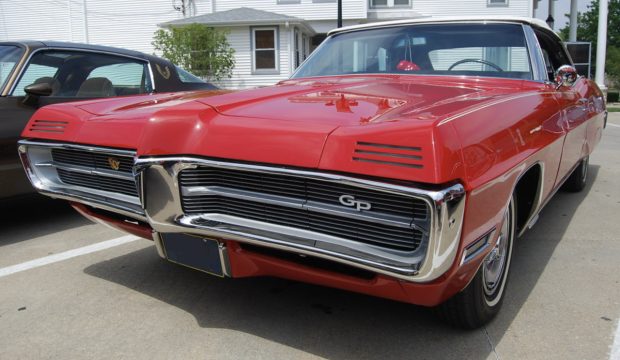
In the late 1960s, the Pontiac Grand Prix underwent a redesign, entering its second generation with a more muscular and aggressive appearance. The new styling featured a prominent grille, hidden headlights, and bold body lines. Engine options were expanded, including the legendary 428 cubic inch V8, known for its potent performance. The Grand Prix solidified its reputation as a true American muscle car during this era.
Third Generation (1973-1977)
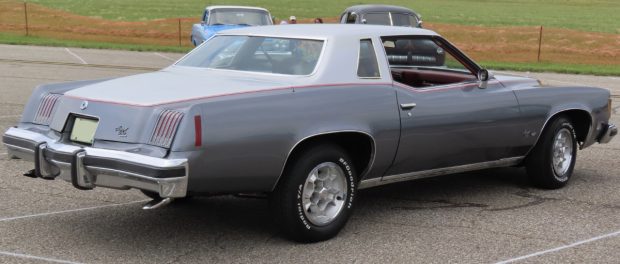
Amidst changing automotive trends and regulations, the Pontiac Grand Prix transitioned into its third generation with a focus on comfort, luxury, and fuel efficiency. The design became more aerodynamic, with smoother lines and a softer appearance. Interior amenities were upgraded, catering to the growing demand for upscale features. Despite the shift towards luxury, performance remained a hallmark of the Grand Prix lineup.
Fourth Generation (1978-1987)
During the 1980s, the Pontiac Grand Prix embraced the era’s design trends with a sleeker and more contemporary look. The fourth generation featured a downsized platform, improving handling and fuel efficiency. Engine options included efficient V6 and V8 powerplants, providing a balance of performance and economy. The Grand Prix continued to appeal to buyers seeking a blend of style, comfort, and performance.
Fifth Generation (1988-1996)
In the late 1980s, the Pontiac Grand Prix underwent another redesign, entering its fifth generation with a more aerodynamic and modern appearance. The new styling featured curved body lines, flush-mounted glass, and integrated aerodynamic elements. Interior amenities were further enhanced, including advanced technology and convenience features. The Grand Prix remained a popular choice among buyers looking for a sporty yet refined driving experience.

Sixth Generation (1997-2003)
As the new millennium approached, the Pontiac Grand Prix evolved once again, entering its sixth generation with updated styling and engineering. The design became more aggressive, with sharper angles and a bolder grille. Engine options included powerful V6 and supercharged V8 variants, delivering exhilarating performance. The Grand Prix continued to push the boundaries of performance and innovation, solidifying its status as a modern classic.
Seventh Generation (2004–2008)
Marked by a return to rear-wheel drive and a focus on performance, with a powerful V8 engine option and modern styling cues.
Conclusion
Throughout its production run, the Pontiac Grand Prix captivated drivers with its combination of style, performance, and innovation. From its early days as a luxury-performance model to its later years as a modern sports sedan, the Grand Prix remained a symbol of American automotive excellence. While production ceased in 2008 with the discontinuation of the Pontiac brand, the legacy of the Grand Prix lives on in the hearts of enthusiasts and collectors alike, ensuring its place in automotive history.
FAQs About the Pontiac Grand Prix
What year was the Pontiac Grand Prix first introduced?
The Pontiac Grand Prix was first introduced in 1962 as a luxury-performance model.
What are some notable features of the Pontiac Grand Prix?
The Pontiac Grand Prix was known for its distinctive styling, powerful engine options, and innovative features such as hidden headlights and integrated aerodynamics.
Was the Pontiac Grand Prix available in different body styles?
While primarily offered as a two-door coupe, the Pontiac Grand Prix was also available in a four-door sedan configuration in later generations.
Did the Pontiac Grand Prix have any racing heritage?
Yes, the Pontiac Grand Prix had a successful racing career, particularly in NASCAR, where it won numerous races and championships.
Is the Pontiac Grand Prix considered a collectible car?
While not as widely collectible as some other classic cars, certain generations and special editions of the Pontiac Grand Prix are sought after by collectors and enthusiasts.
What was the last model year for the Pontiac Grand Prix?
The last model year for the Pontiac Grand Prix was 2008, marking the end of production for the model and the Pontiac brand as a whole.
What were some popular trim levels of the Pontiac Grand Prix?
Popular trim levels of the Pontiac Grand Prix included the base model, GT, GTP, and later the GXP, each offering different levels of performance and luxury features.
What types of engines were available in the Pontiac Grand Prix?
The Pontiac Grand Prix offered a range of engine options over the years, including V6 and V8 powerplants, as well as supercharged variants in later generations.
How many generations of the Pontiac Grand Prix were produced?
The Pontiac Grand Prix went through seven generations during its production run, spanning from 1962 to 2008.
Are parts still available for the Pontiac Grand Prix?
While some parts may be more challenging to find due to the discontinuation of the Pontiac brand, many aftermarket suppliers and salvage yards still offer parts for the Pontiac Grand Prix.